Solar Installation Design in Kenya
Sized from what you actually use
Solar PV design works out how many panels, how much battery and what inverter a building needs to cover its electricity use, and how the system connects to the existing installation. Beaver Concepts designs and specifies solar systems in Kenya for homes, farms and commercial premises, sized from your real consumption so you pay for the system you need and no more.
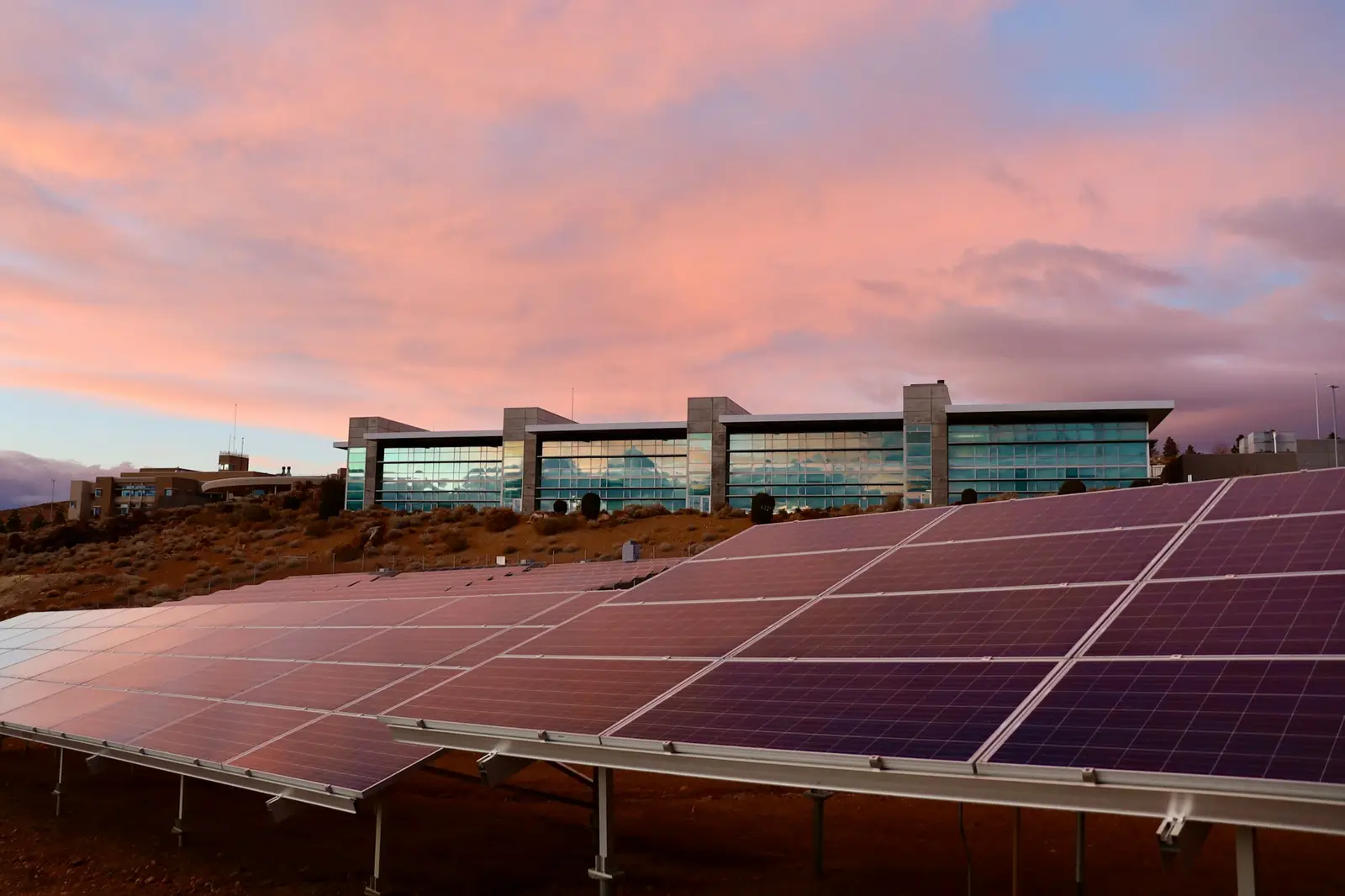
Sizing starts with what you actually use
The most common mistake is buying panels to a budget or a salesperson's guess. A correctly sized system starts with a load analysis: which appliances you run, at what power, for how many hours. Adding those up gives daily energy use in kilowatt-hours, and that number drives the array, battery and inverter size.
The example below is illustrative: it shows the method, not a recommendation for any real home.
| Appliance | Power (W) | Hours per day | Energy (kWh per day) |
|---|---|---|---|
| LED lighting (10 lamps, 10 W each) | 100 | 5 | 0.50 |
| Refrigerator (average running) | 80 | 10 | 0.80 |
| Television and decoder | 120 | 5 | 0.60 |
| Laptop and phone charging | 80 | 6 | 0.48 |
| Water pump | 750 | 1 | 0.75 |
| Total | 3.13 |
Which type of system
The right architecture depends on whether the grid is reliable, what you want the system to do, and budget. Batteries are usually the most expensive and shortest-lived part, so deciding how much backup you actually need is the biggest cost lever.
| Type | What it does | Points to weigh |
|---|---|---|
| Grid-tied | Feeds solar into the building and grid; no batteries | Lowest first cost; switches off when the grid fails, and connection is subject to Kenya Power's requirements |
| Hybrid | Grid plus batteries, which keep essential loads running in an outage | Best fit where outages are frequent; battery size sets both cost and backup time |
| Off-grid | Solar and batteries only, often with a generator backup | For sites without a grid connection; needs careful sizing and more battery capacity |
Design, licensing and doing it properly
Good design includes roof or ground layout with shading checked, string and cable sizing, protection devices, earthing and lightning protection, and how the system ties into the distribution board. It should also include a plan for maintenance: cleaning panels, checking connections, and battery replacement.
Solar contractors in Kenya must hold a licence from the Energy and Petroleum Regulatory Authority. We specify the system and check that whoever installs it is licensed. Grid-connected systems also need the utility's agreement, and we help prepare the information they ask for.
How solar PV works with us
- Stage 01
Load and bill analysis
We record your appliances and, where you have them, your electricity bills, to establish consumption.
- Stage 02
Site and roof survey
Orientation, shading, roof structure and space for equipment are assessed.
- Stage 03
Concept and options
Grid-tied, hybrid and off-grid options are compared for cost, backup and payback.
- Stage 04
Detailed design
Array, inverter, battery, cabling and protection are sized and drawn.
- Stage 05
Specification and quantities
Equipment and installation are specified so installers quote like for like.
- Stage 06
Inspection and commissioning
Installation is checked against design, tested and handed over with a maintenance guide.
What you receive
- Load analysis and energy demand summary
- System options comparison
- Array layout and single-line diagram
- Inverter, battery and protection specification
- Connection details to the existing installation
- Solar bill of quantities
- Commissioning record and maintenance guide
Related services
- Electrical designElectrical design in Kenya: load calculations, distribution, lighting, earthing and Kenya Power coordination for homes and commercial buildings.
- Borehole and water treatmentBorehole design and water treatment in Kenya: hydrogeological survey guidance, permits, pumping, storage and treatment matched to your water test results.
- Cost EstimationQuantity surveyors in Nairobi: bills of quantities, cost plans, feasibility studies and cost audits so you know what a build will cost before you start.
Questions we are often asked
How many solar panels do I need for my house?
It depends on your daily energy use, the sunshine at your site, and whether you want to cover all your consumption or only part of it. A load analysis turns those into a system size. Panel count alone is not a useful measure.
Do I need batteries?
Only if you want power when the grid is down or in the evening from solar. Grid-tied systems without batteries cost less but stop working in an outage. Hybrid systems add batteries for essential loads.
Who can install solar in Kenya?
Solar installations should be done by contractors licensed by the Energy and Petroleum Regulatory Authority. We design the system and confirm the installer holds the correct licence.
Can I connect solar to the Kenya Power grid?
Grid-connected systems need the utility's agreement and must meet its technical requirements. Arrangements change over time, so we check the current process for your site.
How long do batteries last?
Battery life depends on the chemistry, how deeply they are discharged and the temperature. It is usually shorter than the life of the panels, so replacement should be part of your cost planning.
Can solar run my borehole pump?
Yes, and it is a good match because water can be pumped during the day and stored in a tank. The pump's starting current and running power need to be included in the sizing.
Last updated 29 September 2026
Tell us about your project.
Share your plot, brief and budget. We reply with clear next steps and a written fee or cost proposal.